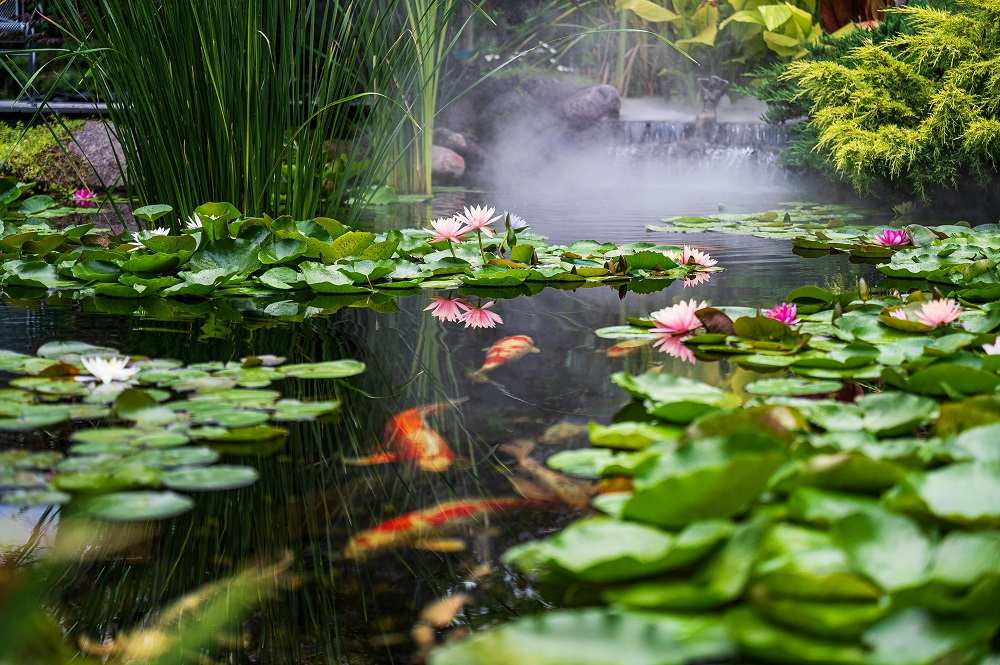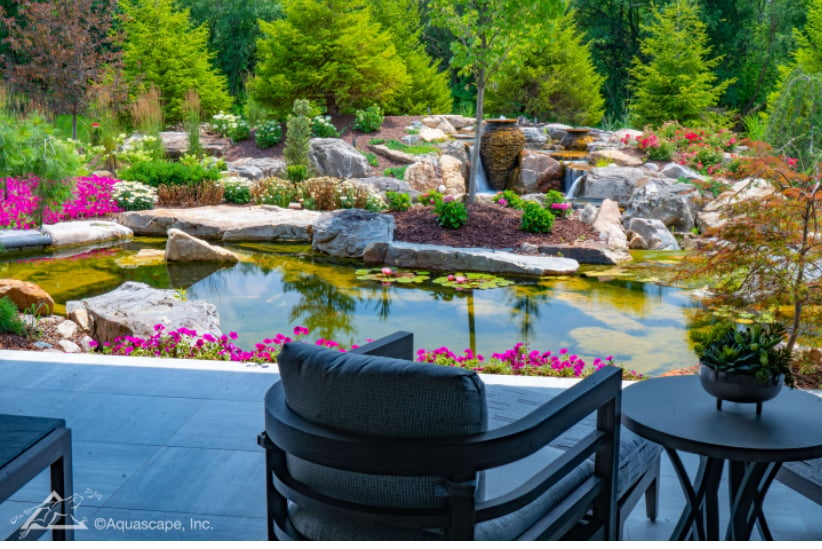
Thinking about adding a koi pond to your backyard? A professional consultation is the first step toward creating a peaceful, elegant outdoor retreat. For many first-time pond buyers in Virginia, the process may feel overwhelming — but it doesn’t have to be.
Step 1 – Initial Discussion about Your Vision and Budget
Every successful koi pond project in Virginia begins with a clear conversation about your goals, style preferences, and investment range. During your first koi pond consultation, your contractor will want to learn about your ideal outdoor space — not just what it looks like, but how you plan to use it.
They’ll typically ask questions such as:
- What size pond do you have in mind?
- Are you envisioning a natural, free-flowing look or a more formal, structured design?
- How many koi or aquatic plants do you plan to keep?
- Will your pond serve as a tranquil retreat, a family gathering feature, or a focal point for your garden?
In Central Virginia, where outdoor living is a year-round lifestyle, it’s important to balance beauty with practicality — for example, choosing materials that withstand temperature changes or ensuring shade and circulation for healthy koi.
Discussing your budget early helps your contractor recommend design options, filtration systems, and materials that fit comfortably within your price range. Whether you’re investing in a small backyard feature in Tuckahoe or a large ecosystem pond in Powhatan, transparency at this stage prevents unexpected costs later.
A reputable Richmond koi pond builder will also walk you through realistic expectations for costs, maintenance, and timelines.
Step 2 – On-Site Evaluation and Space Planning
Once your goals and budget are discussed, the next step is an on-site visit where your koi pond contractor evaluates your property’s layout and conditions. During the visit, the contractor will closely examine several key factors:
- Sunlight and Shade Exposure: Koi ponds thrive in areas with a balance of sun and shade. Too much direct sunlight can cause excessive algae growth, while too much shade can limit the health of aquatic plants. In regions like Richmond, Hanover, or Chesterfield, where summers can get hot, contractors often recommend partial shade from trees or pergolas to maintain ideal water temperatures for koi.
- Soil Type and Drainage: The soil composition — whether it’s clay-heavy, sandy, or loamy — affects excavation and pond liner installation. Virginia’s red clay soil, common in areas like Powhatan and Tuckahoe, holds water well but can expand when wet. Your contractor will test the ground to ensure stability and proper drainage, preventing erosion and leaks.
- Topography and Slope: The slope of your yard plays a big role in pond design. A natural incline can be perfect for adding waterfalls or stream features, while flatter yards may require grading or small retaining structures. Good design ensures that rainwater runoff doesn’t carry debris or fertilizers into the pond.
- Accessibility and Safety: The contractor will check the availability of nearby power sources for pumps, lights, or fountains. They’ll also evaluate accessibility for maintenance and ensure safety features — such as fencing or child-friendly edges — meet local Virginia property standards.
Step 3 – Design Ideas and Conceptual Layout
Once your koi pond builder has a clear understanding of your goals and has evaluated your property, it’s time to move into the most exciting phase — the design process.
During this stage, your contractor will present a variety of design options that complement your home’s architecture and natural surroundings. You’ll review choices for:
- Pond Shape and Depth: Whether you prefer a natural, free-form layout or a structured geometric design, the shape will influence both aesthetics and water flow. Depth is equally important — koi typically thrive in ponds that are at least 3 to 4 feet deep, which helps maintain stable water temperatures during Virginia’s seasonal changes.
- Edge Treatments and Materials: The materials used along the pond’s perimeter define its overall look and function. Options may include natural boulders, flagstone, river rock, or decorative coping stones. In Richmond and nearby areas, many homeowners opt for local Virginia fieldstone to achieve a natural, cohesive look that blends with native landscapes.
- Water Features and Enhancements: To elevate your pond’s ambiance, you might add waterfalls, streams, or fountains that create soothing movement and sound. LED lighting can highlight your pond’s beauty at night, while aquatic plants such as water lilies, lotus, or pickerelweed provide color, oxygenation, and shade for your koi.
- Visual References and Renderings: Many professional pond builders use 3D renderings or photos of previous installations to help you visualize the final design.
Step 4 – Discussion of Filtration and Equipment
Behind every stunning koi pond is a reliable and efficient filtration and aeration system working quietly to keep the water clean, clear, and balanced. During your consultation, your koi pond contractor will explain how the right equipment ensures both the beauty and the long-term health of your pond’s ecosystem.
One of the first topics you’ll discuss is filtration options. Your builder will outline the difference between mechanical filters (which remove debris like leaves and dirt) and biological filters (which foster beneficial bacteria that naturally break down waste).
Next comes the pump selection. Pumps are the heart of your pond, continuously circulating water to maintain oxygen levels and prevent stagnation. Your contractor will size the pump based on the pond’s volume, the height of any waterfalls, and the desired flow rate. Efficient circulation helps distribute oxygen evenly, keeping your koi active and healthy while preventing algae buildup.
Modern energy-saving pond pumps and variable-speed systems can reduce electricity costs significantly. Many contractors also recommend aeration systems or air stones that boost oxygen levels in the summer heat and help prevent freezing in winter months.
Your contractor will also discuss skimmers, UV clarifiers, and bottom drains — additional equipment that supports water quality and minimizes manual cleaning.
By the end of this stage, you’ll understand how each piece of equipment contributes to the pond’s overall performance. A properly designed filtration and aeration system means less time cleaning and more time enjoying your peaceful outdoor retreat — a goal every koi pond owner in Virginia can appreciate.
Step 5 – Timeline, Cost Estimate, and Project Phases
Once you’ve finalized your pond design and chosen the right equipment, your contractor will provide a comprehensive project outline that details the cost, timeline, and construction process.
Your koi pond builder will begin by presenting an itemized cost estimate that covers materials, labor, and installation. This estimate may also include optional add-ons such as waterfalls, lighting, aquatic plants, or upgraded filtration systems. In Virginia, koi pond costs can vary widely depending on pond size, landscaping complexity, and features — from compact courtyard ponds to larger, fully landscaped water gardens. A transparent breakdown helps you see exactly where your investment is going and ensures that every detail aligns with your budget.
Next, your contractor will outline the typical project timeline, which generally includes several key phases:
- Design finalization: confirming layouts, materials, and finishes
- Excavation and base preparation: shaping the pond and laying foundation materials
- Installation: setting liners, rocks, plumbing, and filtration systems
- Finishing touches: adding plants, decorative stones, and filling the pond
- Water testing and koi introduction: ensuring proper balance and safety before fish are added
Most mid-sized koi pond installations in Central Virginia take about two to three weeks from start to completion, depending on weather and site conditions.
You’ll also review payment milestones — such as an initial deposit, mid-project payment, and final payment upon completion. Reputable Virginia pond builders typically request a deposit to secure materials and schedule the start date, with clear documentation for all costs and deliverables.
By the end of this stage, you’ll have a clear project roadmap outlining every step toward bringing your koi pond vision to life — from groundbreaking to that first peaceful moment watching your koi glide through crystal-clear water.
Step 6 – Maintenance and Long-Term Care Overview
Before wrapping up your koi pond consultation, your contractor will walk you through what it means to own and maintain a koi pond long-term. Understanding these responsibilities early ensures your pond stays healthy, visually stunning, and easy to manage through Virginia’s changing seasons.
During this discussion, your contractor will explain how often to clean filters, check pumps, and test water quality. Routine maintenance typically includes removing debris from skimmers, rinsing filter pads, and checking water parameters such as pH, ammonia, and nitrate levels. These quick checks — often done weekly or biweekly — keep your koi thriving and your water crystal clear.
Next, they’ll outline seasonal maintenance tips specific to Virginia’s climate. In spring, ponds often need a thorough cleaning to remove winter debris and restart biological filtration. During the hot summer months, aeration and shade become vital to prevent overheating. Fall brings leaf removal and preparation for winter, while colder months call for reduced feeding and protection of equipment from freezing. Contractors in Richmond, Powhatan, and Chesterfield often provide detailed seasonal checklists tailored to local temperature patterns and plant varieties.
Many professional pond builders also offer service plans or annual maintenance programs. These packages typically include scheduled visits for cleaning, equipment inspection, water testing, and even fish health checks. For busy homeowners, these plans provide peace of mind and protect the investment by ensuring consistent care.
Step 7 – Next Steps and Follow-Up
After your consultation, your koi pond contractor will provide everything you need to confidently move forward with your project. This stage ties together all the information discussed — from design ideas to cost estimates — and helps you make an informed decision about your investment.
You’ll typically receive a detailed proposal or design plan summarizing the pond layout, materials, equipment, and estimated timeline. This document may include 2D sketches or 3D renderings, allowing you to visualize how your koi pond will integrate with your backyard. It should also outline itemized costs, installation phases, and any optional add-ons, such as lighting, waterfalls, or landscaping enhancements.
Next, you’ll review terms, warranties, and scheduling options. Reputable koi pond builders in Virginia, such as those serving Richmond, Salisbury, or Hanover, stand behind their workmanship with written warranties covering materials, equipment, and installation. Your contractor will also discuss start dates, weather considerations, and estimated completion times so you can plan around your calendar.
If you’re comparing bids, it’s wise to look beyond the price tag. Review each contractor’s experience, references, and maintenance offerings. A slightly higher quote from an experienced builder who provides long-term support often delivers greater value and fewer issues down the road. Check for licensed, insured professionals who are familiar with Virginia’s soil, drainage, and climate — these local insights can make a big difference in your pond’s longevity and performance.
By the end of this stage, you’ll have a clear picture of what’s included, what to expect, and how to move forward with confidence. Whether you’re ready to schedule construction or still reviewing proposals, this follow-up step ensures your koi pond project starts on the right foot and stays on track for lasting success.
From Consultation to Completion
Your first koi pond consultation sets the foundation for a smooth, enjoyable building experience. With open communication and expert guidance, you’ll gain confidence in your decisions and excitement for the final result. From understanding your goals and evaluating your space to reviewing designs and long-term care, every step of the process is designed to bring your outdoor vision to life.
Working with a local koi pond contractor in Richmond, VA, offers the added advantage of regional expertise. Local builders understand Virginia’s soil, drainage patterns, and seasonal changes — ensuring your pond is built to last and easy to maintain. The end result is more than just a water feature — it’s a serene, living work of art that enhances your property’s value and provides daily tranquility for years to come.
Ready to begin your koi pond journey?
Schedule a consultation with Jordan’s Water Solutions, your trusted koi pond contractor in Richmond, VA, specializing in custom pond design, construction, and maintenance.