How Much Space Do I Really Have for a Pond?
First, consider your yard dimensions and usable space. Not every square foot of your yard is suitable for a pond. Sloped areas, drainage paths, and heavily shaded zones may limit placement options. Measure the area where the pond could realistically sit, keeping in mind walking paths, seating areas, and existing landscaping you want to preserve. A well-sized pond should enhance your yard, not dominate it.
Depth requirements are another critical factor, especially if you plan to keep fish or aquatic plants. Shallow ponds warm quickly and may not support healthy fish year-round. Deeper areas help regulate water temperature, protect fish from predators, and support beneficial bacteria. Plant shelves and varying depths also allow aquatic plants to thrive without overtaking the pond.
Finally, think about the proportion between the pond size, waterfall, and surrounding landscaping. A large waterfall paired with a small pond can cause excessive splashing and water loss, while an oversized pond with minimal features may look unfinished. The goal is balance where water features, stonework, plants, and open water complement each other visually and functionally.
What Type of Pond Construction Is Best for My Property?
Flexible Liner Ponds vs. Preformed Ponds
One of the first construction choices homeowners face is whether to use a flexible liner or a preformed pond shell. Flexible liner ponds are highly customizable, allowing you to create organic shapes, varied depths, and integrated features like waterfalls, streams, and plant shelves.
Preformed ponds, by contrast, come in fixed shapes and sizes. They are generally faster to install and can be a good fit for smaller yards or simple decorative ponds. If long-term customization or future expansion is a priority, flexible liners are usually the better investment.
Naturalistic Ecosystem Ponds vs. Formal Water Gardens
Your preferred visual style also plays a major role in determining the best pond construction approach. Naturalistic ecosystem ponds are designed to replicate nature, using rock, gravel, aquatic plants, and biological filtration to maintain balance.
Formal water gardens focus on clean lines, symmetry, and decorative elements. They are often smaller, more structured, and plant-focused, fitting well into modern or highly manicured landscapes.
Soil Conditions and Drainage Considerations
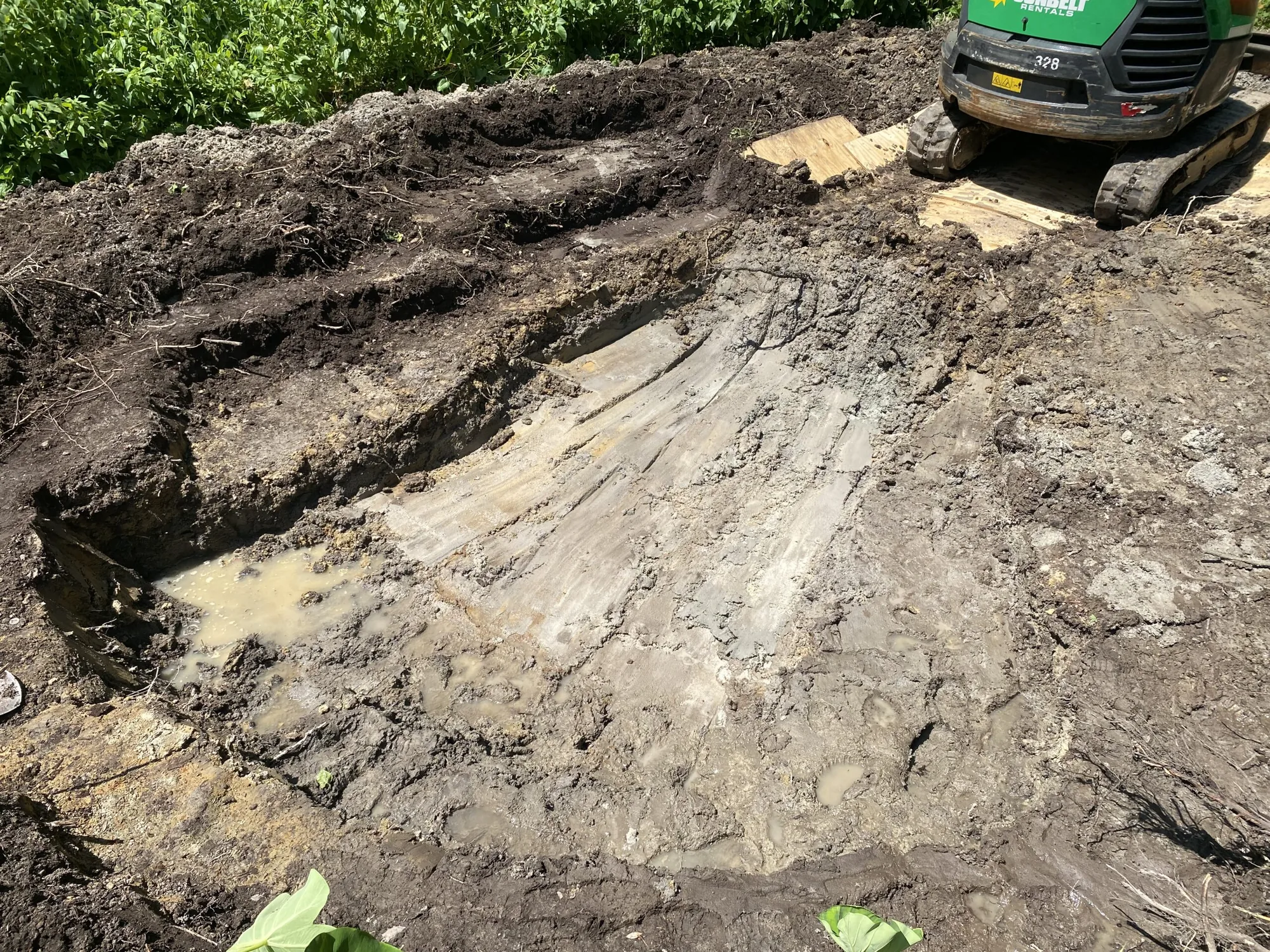
Soil type and drainage conditions beneath your yard directly affect how a pond should be built. Sandy or loose soil may need additional stabilization to prevent shifting or collapsing edges, while clay-heavy soil can retain water but may complicate excavation. Poor drainage can allow runoff to carry debris, fertilizers, or sediment into the pond, negatively impacting water quality.
Sloped Yards vs. Flat Terrain
Sloped yards are often ideal for ponds with waterfalls or streams, as gravity helps move water naturally and creates dynamic visual interest.
Flat terrain, while still suitable for ponds, may require additional grading or raised features to achieve depth variation and water movement.
Do I Want Fish and Am I Ready for the Responsibility?
Koi vs. Goldfish vs. Fish-Free Ponds
The type of fish you choose plays a major role in pond design. Koi are large, active fish that require more space, deeper water, and robust filtration systems. They are long-lived and can become pets, but they demand consistent care and higher upfront investment. Goldfish are smaller, more forgiving, and better suited for modest ponds, making them a popular choice for first-time pond owners.
Fish-free ponds are another excellent option. Without fish waste to manage, these ponds are easier to maintain and rely primarily on plants and circulation to stay clear.
Minimum Depth Requirements for Fish Safety
Deeper areas help regulate temperature, protect fish from predators, and provide safe zones during extreme weather. If fish are part of your plan, the pond must be designed with sufficient depth from the start this isn't something that can be easily corrected later.
Filtration, Aeration, and Water Quality Needs
A pond with fish requires proper filtration to remove debris and support beneficial bacteria that break down waste naturally. Aeration is equally important, as it increases oxygen levels and supports healthy biological processes.
Feeding, Seasonal Care, and Long-Term Maintenance
Fish must be fed appropriately based on water temperature and season, and overfeeding can cause serious water quality issues. Seasonal care includes adjusting feeding schedules, managing algae growth, and preparing the pond for colder months. Over time, regular maintenance such as filter cleaning, water testing, and system inspections becomes part of routine care.
How Will Filtration and Water Circulation Be Handled?
Mechanical vs. Biological Filtration
Mechanical filtration removes visible debris such as leaves, fish waste, and uneaten food before it breaks down. This helps keep the water clear and reduces strain on the system.
Biological filtration supports beneficial bacteria that break down harmful compounds naturally. These bacteria convert waste into less harmful substances, creating a balanced and stable pond environment.
Skimmers, Bottom Drains, and Pump Placement
Skimmers remove floating debris from the surface before it sinks, while bottom drains collect heavier waste that settles on the pond floor. When positioned correctly, they work together to keep debris moving toward filtration instead of accumulating.
Pumps must be sized correctly for the pond's volume and positioned to promote consistent water movement without creating dead zones. Poor placement can reduce circulation efficiency and increase wear on equipment.
Waterfall and Stream Integration
Waterfalls and streams are more than visual features they are powerful circulation tools. As water moves over rocks and cascades back into the pond, it becomes oxygenated, supporting fish health and beneficial bacteria.
Designing waterfalls and streams as part of the filtration loop ensures they contribute to function as well as aesthetics.
Energy Efficiency and Equipment Access
Filtration systems run continuously, so energy efficiency matters. Choosing high-efficiency pumps and properly sized equipment helps control long-term operating costs.
Planning for efficient circulation and accessible equipment not only protects water quality but also makes pond ownership far more enjoyable and sustainable over time.
What Maintenance Level Am I Comfortable With?
Weekly vs. Seasonal Maintenance Needs
Weekly maintenance may include checking water levels, emptying skimmer baskets, and inspecting pumps or filters. Seasonal maintenance often involves deeper cleanings, plant trimming, and system adjustments during spring and fall.
Leaf Management and Debris Control
Properties with nearby trees may require more frequent skimming or the use of protective netting during fall. Without proper debris control, organic matter can sink, break down, and contribute to poor water quality and algae growth.
Planning for skimmers, netting options, and strategic placement away from heavy leaf drop areas can significantly reduce ongoing workload.
Algae Prevention Strategies
Algae is a natural part of any pond, but excessive growth often signals imbalance. Preventive strategies include proper filtration, adequate circulation, plant coverage for shade, and controlled nutrient input especially if fish are present. The more proactive the design, the less hands-on algae management you'll need later.
DIY Maintenance vs. Professional Service Plans
DIY maintenance can be rewarding but requires learning system basics and seasonal care practices. Professional service plans offer scheduled cleanings, inspections, and troubleshooting ideal for larger ponds or homeowners with limited time.
Deciding upfront whether you'll maintain the pond yourself or rely on professionals allows the pond to be designed with appropriate access points, equipment placement, and service-friendly features.
How Will My Climate Affect Pond Design and Longevity?
Seasonal Temperature Changes
Seasonal temperature swings affect water temperature, oxygen levels, and biological activity within the pond. Hot summers can increase algae growth and reduce oxygen levels, while cooler seasons slow down beneficial bacteria and plant growth.
Freeze Protection and Winterization (If Applicable)
Ponds must be deep enough to prevent complete freezing and protect fish during winter months. Plumbing, pumps, and filtration systems may need to be positioned or designed for easy winter shutdown or cold-weather operation.
Evaporation and Water Loss Considerations
Waterfalls and streams increase evaporation but also enhance circulation and oxygenation. Designing the pond with appropriate water volume, automatic fill options, and splash control helps manage water loss without constant manual refilling.
Plant and Fish Selection for Local Conditions
Not all aquatic plants and fish thrive in every climate. Some species tolerate heat better, while others are more cold-hardy. Selecting plants and fish suited to your local conditions reduces stress, improves survival rates, and minimizes maintenance challenges. Climate-appropriate choices also support natural balance, making the pond easier to care for long term.
Are There Safety or Code Considerations I Need to Know?
Local Building Codes or HOA Restrictions
Many cities, counties, and homeowner associations have specific rules governing backyard ponds and water features. HOAs may also regulate fencing, noise from waterfalls, or how ponds affect neighboring properties.
Checking local codes and HOA guidelines early prevents fines, forced modifications, or disputes after installation.
Depth and Fencing Requirements
Pond depth can trigger additional safety or code requirements, especially when water features exceed a certain depth. Some municipalities require fencing or barriers for ponds deeper than a specified measurement, similar to swimming pool regulations.
Even when fencing is not legally required, it may be strongly recommended for liability and insurance reasons particularly in neighborhoods with children or shared access areas.
Child and Pet Safety Features
If children or pets use your yard, safety features should be built into the pond design. Gradual slopes, shallow shelves, non-slip stone edges, and strategic plant placement can reduce the risk of accidental entry.
Designing with safety in mind allows the pond to remain a relaxing feature rather than a constant concern.
Electrical Safety for Pumps and Lighting
Ponds rely on electrical equipment such as pumps, filters, and underwater or landscape lighting. These systems must be installed using proper outdoor-rated wiring, ground-fault circuit interrupters (GFCIs), and weather-protected connections. Poor electrical planning can pose serious safety risks and lead to equipment failure.
What Is My Realistic Budget Including Long-Term Costs?
Initial Construction vs. Ongoing Maintenance Costs
The upfront cost of a pond includes excavation, liners or shells, rock and gravel, filtration systems, pumps, and any added features such as waterfalls or lighting. Larger ponds and more complex designs naturally require higher initial investment.
Ongoing maintenance costs, however, continue throughout the life of the pond. These may include replacement filter media, beneficial bacteria treatments, plant care, and periodic cleanouts. Designing the pond efficiently from the beginning can significantly reduce recurring maintenance expenses.
Equipment Replacement and Upgrades
Pond equipment does not last forever. Pumps, UV clarifiers, lighting, and filtration components will eventually require replacement or upgrading due to wear, technological improvements, or increased pond demands. Factoring these future expenses into your budget ensures the pond remains functional and up to date without unexpected financial strain.
Planning for accessible equipment placement also reduces labor costs when replacements are needed.
Utility Usage: Electricity and Water
Ponds rely on electricity to run pumps, filtration systems, and lighting often 24/7. Energy-efficient pumps can greatly reduce monthly utility costs over time. Water usage is another consideration, particularly in warmer climates where evaporation and splash loss are higher.
Understanding these ongoing utility costs allows you to balance design features with long-term affordability.
Cost Differences between DIY and Professional Installation
DIY pond construction may appear less expensive upfront, but mistakes in excavation, liner installation, or system sizing can lead to costly repairs later. Professional installation typically costs more initially but often results in better efficiency, longer equipment life, and fewer structural issues.
Weighing short-term savings against long-term performance helps determine which approach offers the best overall value for your budget.
Should I Consult a Professional Pond Builder Before Starting?
Site Evaluation and Design Expertise
Professional pond builders begin with a thorough site evaluation. They assess yard layout, soil conditions, drainage patterns, sun exposure, and existing landscaping. This allows them to identify potential challenges early and design a pond that fits naturally within your property instead of forcing a design that may cause problems later.
Custom Solutions Based on Property Conditions
Every property is different, and professional builders tailor pond designs to match specific conditions. Sloped yards, clay-heavy soil, limited space, or nearby trees all require different construction approaches. A professional can recommend custom solutions that improve stability, water circulation, and ease of maintenance.
Proper Sizing of Filtration and Equipment
One of the most common pond problems comes from undersized or mismatched equipment. Professional builders calculate water volume accurately and select pumps, filters, and skimmers that support long-term water clarity and biological balance. Proper sizing reduces strain on equipment and lowers the risk of algae outbreaks or poor circulation.
Long-Term Performance and Warranty Considerations
Professionals also consider how the pond will perform years after installation. Quality materials, proper installation techniques, and manufacturer-backed warranties help protect your investment. Many professional installations include workmanship guarantees, giving homeowners peace of mind if issues arise.
Consulting a professional pond builder helps ensure your backyard pond is not only beautiful on day one, but also reliable, efficient, and enjoyable for many years to come.